Articles
The Explore why magic mushrooms are gaining popularity in 2025, from cultural interest to therapeutic research.
Apr
In recent years, the conversation around magic mushrooms the common name for fungi that contain the psychoactive compound psilocybin has shifted dramatically. What once was a fringe topic of underground culture has increasingly entered mainstream public discourse, scientific research, and even policy debates. In 2025, the rising popularity of magic mushrooms reflects growing curiosity, evolving legal frameworks, expanding therapeutic research, and shifting cultural perceptions around mental health and alternative wellness.
This article explores why magic mushrooms are gaining popularity in 2025, what trends are driving that interest, and how this movement is shaping markets, culture, and attitudes globally.
Magic Mushrooms: A Quick Overview
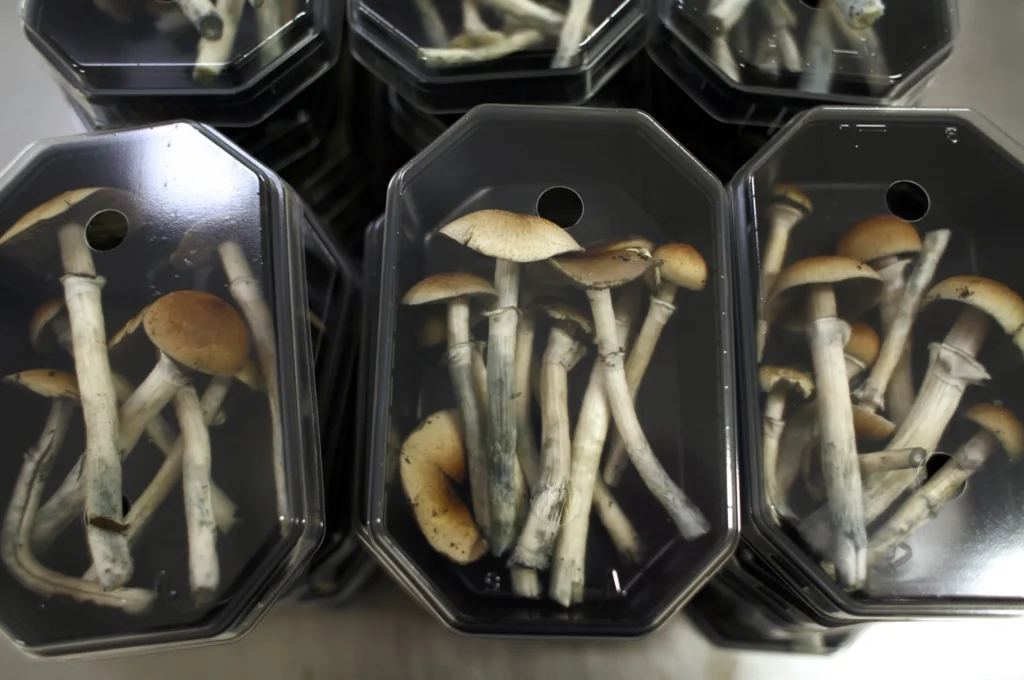
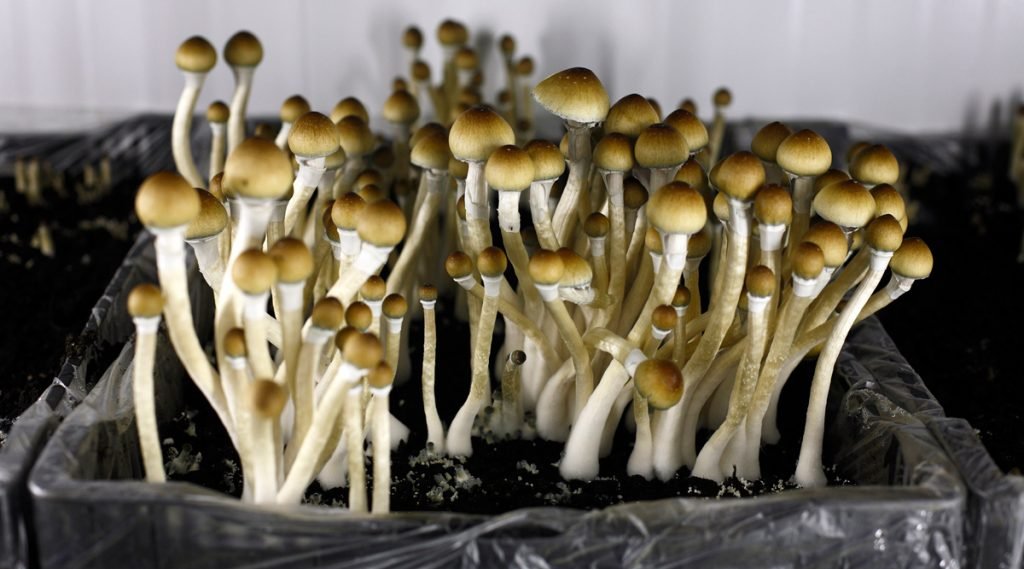
Before diving into the trends, it’s important to understand what we mean by magic mushrooms. These are naturally occurring fungi that contain psilocybin, a compound that, when ingested, is metabolized into psilocin a substance that interacts with brain receptors to produce altered perceptions, emotional shifts, and changes in consciousness. While historically associated with recreational use, today magic mushrooms are increasingly discussed in the context of well-being, mental health support, and therapeutic applications.
Why Are Magic Mushrooms Growing in Popularity in 2025?
1. Increased Public Interest and Cultural Acceptance
One of the most striking indicators of the rising popularity of magic mushrooms is the significant increase in global interest and reported use. Studies show that psilocybin use has risen sharply across multiple age groups, particularly in the United States and other Western countries. Lifetime use among adults went up substantially over recent years, with past-year use growing even faster, especially among both younger and older adults.
This increased experimentation isn’t limited to recreational curiosity; many people are exploring psilocybin for emotional balance, chronic pain relief, anxiety reduction, and mental health support. These motivations reflect a broader shift toward viewing psychedelics as tools for personal growth rather than just recreational substances.
2. Legal and Policy Changes Fuel Mainstream Interest
Legal developments in several regions are another major factor behind the rising popularity of magic mushrooms. Notably, some jurisdictions are moving toward regulated access or even medical uses of psilocybin. For example, European nations like Czechia have shown momentum in opening formal frameworks for therapeutic psilocybin experiences, signaling a crucial shift in how governments view these compounds.
In the United States, state-level activism continues to impact public perception. Even where full legalization has not yet passed, proponents are actively pushing national and local legislatures to consider regulated psychedelic therapies.
These legal discussions help remove stigma and normalize conversations about magic mushrooms, contributing to broader acceptance and curiosity.
3. Market Growth and Commercial Opportunities
Beyond cultural and legal factors, the economic indicators for the magic mushroom sector are also noteworthy. Over the past several years, industry analysts have projected that the psychedelic mushroom market will see significant expansion. Forecasts suggest that the global market — fueled largely by interest in psilocybin for wellness applications — could grow from roughly $1.5 billion in 2024 to over $3.3 billion by 2031, representing robust demand and investment in research, development, and commercialization.
Other reports suggest strong growth trajectories in individual regions, with the U.S. psychedelic mushroom segment itself expected to reach over $4.3 billion by 2030 as public interest and regulatory discussions continue to evolve.
This economic momentum reflects not just recreational interest but expanding opportunities in therapy clinics, wellness retreats, product innovation, and scientific research.
4. Therapeutic Research and Mental Health Conversations
A major driver in 2025’s popularity of magic mushrooms is the increasing body of scientific research exploring psilocybin’s therapeutic potential. Studies have examined its effects on conditions like depression, anxiety, PTSD, addiction, and chronic pain, often reporting encouraging outcomes that have captured public attention.
In turn, this scientific validation has helped destigmatize magic mushrooms and amplify interest among people seeking alternative mental health supports. While psilocybin is still not approved as a mainstream medical treatment in most countries, ongoing clinical trials and early results are prompting serious curiosity among patients, clinicians, and advocates.
This intersection of science and wellness culture has significantly broadened the audience for discussions about magic mushrooms beyond recreational users to include people seeking meaningful psychological and emotional relief.
Broader Social and Cultural Shifts
The popularity of magic mushrooms in 2025 also mirrors broader social shifts:
- Growing openness toward alternative therapies: With conventional mental health treatments sometimes perceived as insufficient or inaccessible, many people are exploring alternatives, including psychedelics.
- Psychedelic retreats and wellness tourism: In regions where psilocybin is legally available in structured settings, psychedelic retreats are attracting tourists interested in guided experiences.
- Microdosing trends: Practices like microdosing psilocybin using very low, sub-perceptual doses aimed at enhancing mood or creativity gained traction in recent years and continue to inform public interest.
Together, these shifts reflect a more curious and open cultural dialogue around substances once relegated to shadows, contributing to magic mushrooms’ rising popularity.
Considerations and Responsible Engagement
While the trend data highlights increased interest and use, it’s important to approach this topic with nuance. Experts have noted that rising popularity also brings concerns, such as misunderstanding dosing, unsupported self-treatment, and gaps in public education about potential risks and effects.
Public health professionals advocate informed and cautious engagement, calling for improved education, better monitoring systems, and evidence-based support structures. As conversations progress, balancing enthusiasm with awareness is key to fostering safe, informed exploration.
The Future of Magic Mushrooms
Looking ahead, the trajectory of magic mushrooms’ popularity in 2025 and beyond seems shaped by ongoing research, evolving policies, and changing cultural perceptions. As more clinical studies are published, regulatory landscapes shift, and entrepreneurial innovation continues, magic mushrooms are likely to remain a topic of interest both within wellness communities and in mainstream discourse.
Whether the conversation centers on mental health applications, scientific breakthroughs, or broader cultural acceptance, magic mushrooms are playing a significant role in the larger narrative about how society approaches psychedelics, well-being, and alternative therapies.
Click here to see all our products.
